
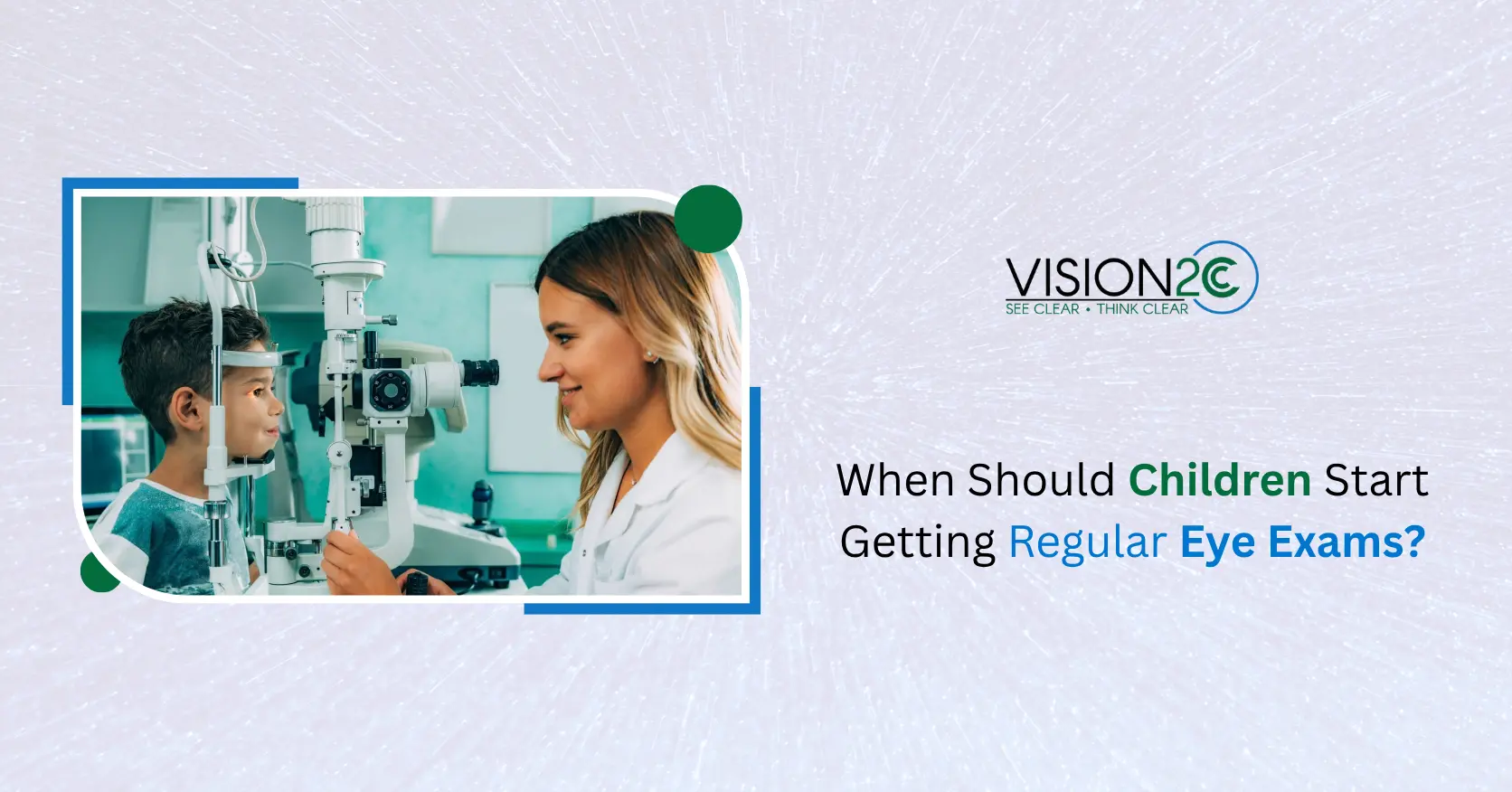
Because you’re a caring parent, you want the absolute best for your lovely, growing child, you always take them to the family dentist and monitor their height and weight. But what about their precious eyes? Many parents have absolutely no idea when to schedule the very first eye doctor visit, even though good vision is a major part of growing up safely. Let us look right now at the best times to book these important checkups to protect your family.
The Best Timeline for Your Child’s Eye Exams
Knowing exactly when to book an eye doctor visit is surprisingly tough. Babies cannot talk. They can’t tell you if a colorful toy suddenly blurs. Therefore, those proactive checkups are absolutely vital for healthy development.
- Six Months Old: Your baby needs their first eye exam so the doctor can gently check if their eyes focus properly.
- Three Years Old: Toddlers should see the doctor again to play simple visual games that test their growing sight.
- Five or Six Years Old: This important visit happens right before kindergarten because clear vision helps your child read books easily.
- Every Year after That: Children need an exam every year since kids grow fast, and their eyes change just as fast.
Why School Screenings Are Not Enough
School vision tests screen out subnormal distance vision, but countless other visual issues, especially those at close range, may tragically go undetected. Standard checks do not verify whether both eyes work together as a cohesive unit. They lack depth.
A comprehensive visit to the eye doctor provides far better insights. Doctors rigorously assess gaze shifts and visual concentration needed to read small print. You should always trust proper medical exams to catch those hidden problems that basic school tests are not designed to catch.
Signs Your Child Might Need Glasses
Sometimes kids do not know they have a vision problem because they safely assume everyone sees the world exactly like they do. Parents must play detective at home, so if you notice any of these visual clues, be sure to book an appointment right away:
- Sitting very close to the television screen or holding a favorite storybook right up against their nose.
- Squinting their eyes to see things far away across the room and rubbing their eyes a lot throughout the day.
- Crying about painful headaches upon starting homework or losing their spot while reading lines of text.
How Vision Connects to School and Learning
Picture the intense visual toll of an average school day. Kids constantly scan the front boards, scan lines of text and fill lined paper. It is exhausting. When poor vision strikes, learning becomes brutally hard. The sensory confusion of blurred vision can closely resemble behavioral issues or significant learning delays. Students simply zone out in class. Their overworked eyes physically ache, and prompting a complete shutdown, they stop looking at coursework.
Getting those proper prescription glasses can change the game, easing the underlying issue and rapidly rebuilding classroom confidence. Learning can feel genuinely fun to do once more.
Protecting Little Eyes from Screens
Kids use tablets and computers every single day, but looking at bright screens for hours makes eyes tired while causing dry eyes and painful headaches. Doctors call this digital eye strain and an eye doctor can give you great tips to keep your child’s eyes totally safe. They might teach you the twenty-twenty-twenty rule, which means that every twenty minutes, you look away from the screen at something twenty feet away for exactly twenty seconds. This simple, easy habit gives the eyes a much-needed rest during long screen time sessions.
Getting Help with Standardized Tests
Older kids take big state tests and sometimes they sit for long exams to get into a good college. If their eyes do not work together well, reading a long test becomes exhausting because their eyes get tired and they lose focus fast. Some eye doctors can test your child for this exact problem and write a special medical report for the school. This report asks the school to give your child extra time, which gives your child a fair chance to succeed without unnecessary eye pain.
What to Expect at the Eye Doctor
Taking a young, nervous child to a brand new medical office can be scary, but eye exams are genuinely fun and they do not hurt at all! Here is exactly what happens during your family visit:
- The doctor smiles warmly and asks you a few simple questions about your child’s health and daily habits.
- They use fun, light-up toys to easily grab your baby’s attention and track their eye movements.
- Older kids get to read standard letters or point at fun pictures on a big wall chart.
- The doctor puts different lenses in front of your child’s eyes to see what looks the absolute clearest.
- They shine a small, gentle light into the eye to ensure the inside is perfectly healthy.
How Vision 2C Supports Your Family
When you need a friendly, caring eye doctor, Vision 2C is totally ready to help you with complete vision care for your whole family. Dr. Marianna Konradi has spent fifteen wonderful years helping people see better and she used to be a dedicated teacher for visually impaired children. This unique background makes her perceptive and deeply patient with kids of all ages.
At Vision 2C, we offer Routine Eye Exams to keep your child’s eyes perfectly healthy, along with special Sensorimotor Exams. These specific tests check how well your child’s eyes work together for reading, so if your child struggles in class, we can help find out exactly why. We also offer School Test Help and disability consultations to provide the proper reports that get your child the extra time they deserve. We never rush you through your appointment, so book your visit with Vision 2C today and protect your child’s beautiful sight.
FAQs
Q. Are school eye tests good enough?
No. School tests are a great first start. They usually check visual acuity and eye alignment from far away. An eye doctor checks additional visual functions at various distances.
Q. How can families keep eyes safe from screens?
Use the twenty-twenty-twenty rule. Look twenty feet away for twenty seconds. Do this every twenty minutes.